Build Your Financial Future Through Practical Budget Skills
Master the fundamentals of monthly budgeting through real-world scenarios and hands-on practice
We've spent years helping everyday Australians get better at managing money. This program shares what actually works—no complicated theory or unrealistic promises, just practical skills you can use right away.
A Structured Path From Basics to Confident Budgeting
Our eight-week program starts with the fundamentals and builds progressively. Each week introduces new concepts while reinforcing what you've already learned.
You'll work through actual budgeting scenarios based on real situations we've encountered over the years. The exercises mirror challenges you might face in your own finances—unexpected expenses, irregular income, competing priorities.
- Track and categorize expenses using simple spreadsheet methods
- Set realistic spending limits based on your actual income patterns
- Handle irregular expenses like annual insurance or car maintenance
- Adjust budgets when circumstances change without starting over
- Build small emergency reserves gradually within your existing budget
How the Program Actually Works
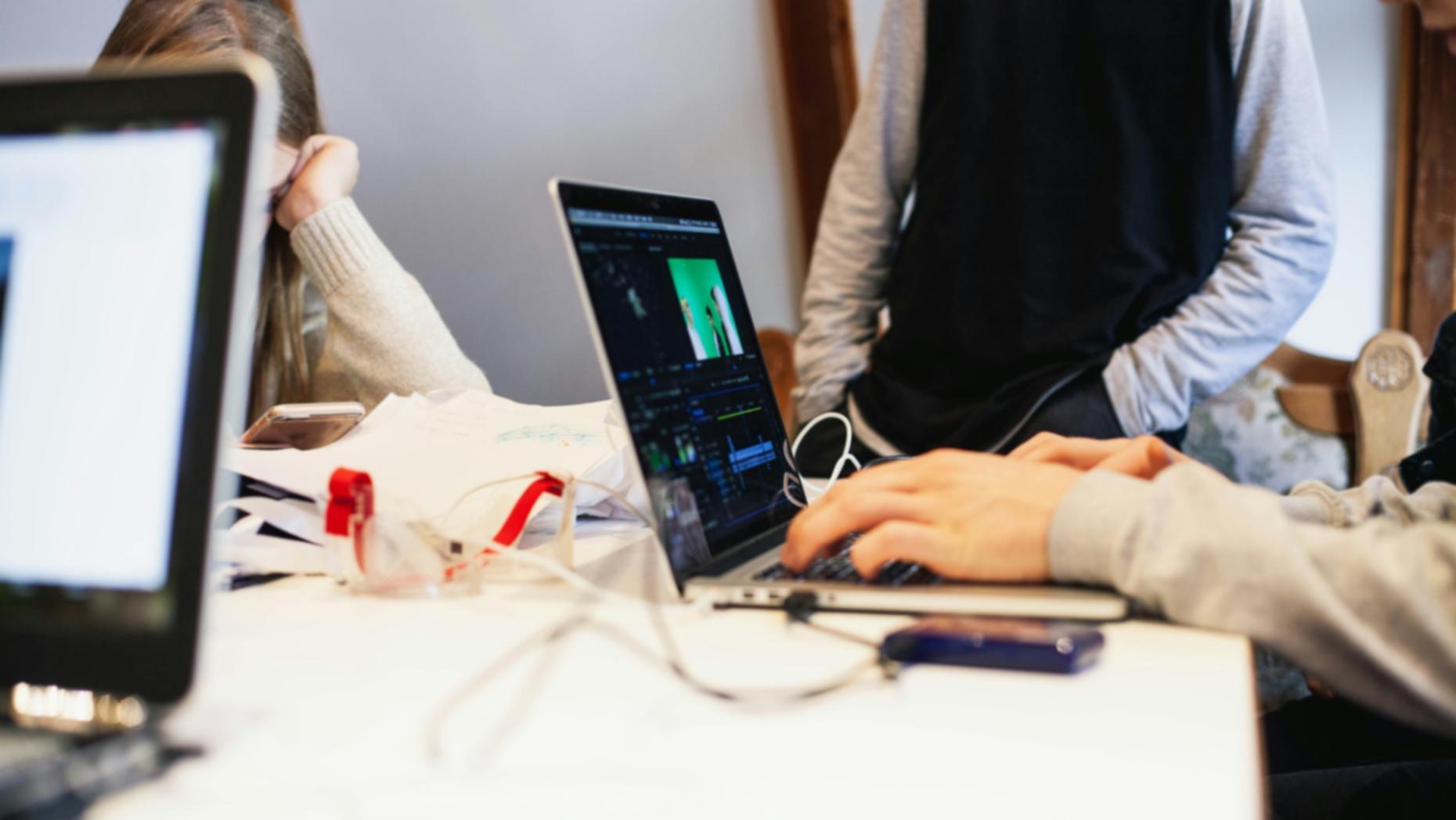
We've refined this approach over several years of teaching budgeting workshops. It's designed for people who are busy and might not have touched a budget spreadsheet before.
Weekly Practice Sessions
Each Tuesday evening from 7-9pm, starting September 2025. Work through exercises at your own pace with support available throughout the session.
Real Budget Scenarios
Practice with anonymized versions of actual budgeting challenges—not textbook examples that don't match real life. Learn to handle messy, imperfect situations.
Individual Feedback
Submit your practice work by Friday, receive detailed feedback by Monday. We point out what's working and suggest alternatives for tricky areas.

Learn From People Who've Been There
Your instructors aren't academic types—they're financial counsellors who've helped hundreds of Australians sort out their budgets. They've seen every variation of "my expenses don't match my income" you can imagine.
Classes stay deliberately small—maximum 12 participants. This isn't about efficiency. It's because budgeting gets personal quickly, and you need space to ask questions without feeling self-conscious.
We focus heavily on the psychological side of budgeting. The math is straightforward. The hard part is sticking with it when life gets chaotic or you feel restricted. That's where most budgeting advice falls short.
Between sessions, you'll have access to our online forum where current and past participants share what's working for them. Sometimes the best advice comes from someone who struggled with the exact same problem last month.
What Past Participants Actually Say
These are real comments from people who completed the program in 2024
I'd tried budgeting apps before and always quit after two weeks. This approach using a simple spreadsheet actually stuck because it matched how my brain works. Still using the same system eight months later.

The weekly feedback was worth the program cost by itself. Having someone review my actual attempts and explain where I was overcomplicating things helped more than any book I'd read.
I appreciated how realistic the scenarios were. Nothing about "just stop buying coffee"—instead we worked through proper dilemmas like choosing between car repairs and building an emergency fund.
The small class size made all the difference. I could ask embarrassing questions about mistakes I'd made without feeling judged. Everyone was in the same boat—trying to figure this stuff out.
Next Program Starts September 2025
We run the program three times yearly with limited spots. September sessions typically fill by mid-August, so it's worth reaching out early if you're interested.
Get Program Details